

The Best Way To Store Bulk Fuel
There are quite a number of dangers inherent in the storage of bulk fuel that could cause disruptions and expose us to potentially significant losses, costs and liabilities.
Gasoline is probably the hardest kind of fuel to store for any length of time. Its highly flammable properties make it an absolute nightmare to deal with. It also has a high vapour pressure; meaning it evaporates quickly and will go stale within a few weeks if not chemically treated.
If bulk fuel has to be stored for a long period, it must be treated with an additive like Sta-bil fuel stabiliser and protected from moisture. Gasoline also has an auto-ignition temperature of 280 degrees C (the minimum temperature required to ignite a gas in air without a spark or flame being present).

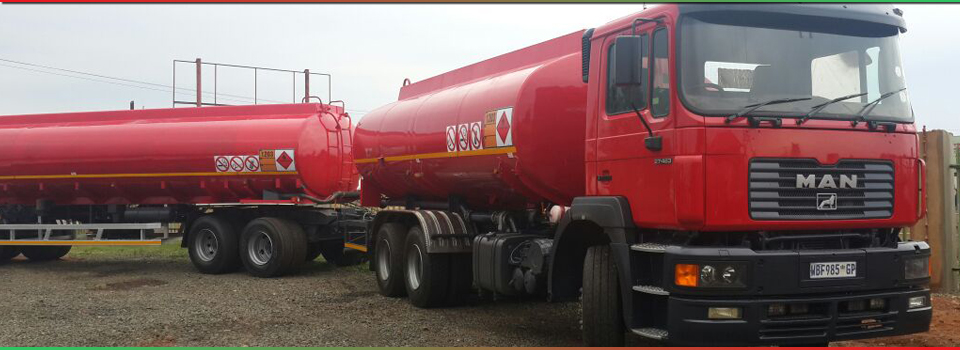
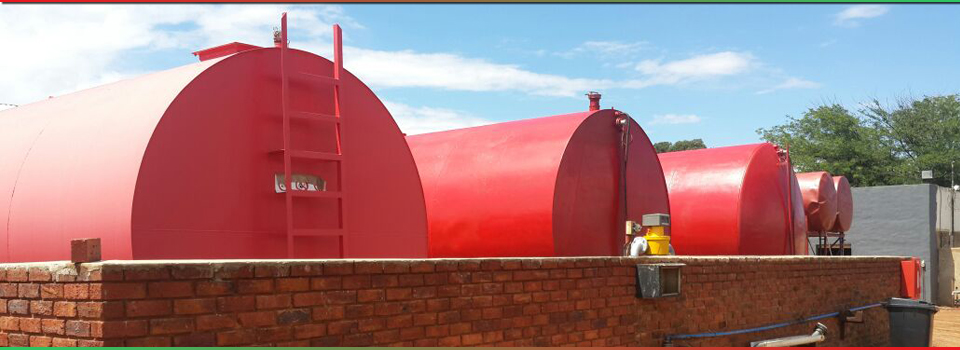
The safest method to store bulk fuel like gasoline is an approved underground tank. This method is probably the safest but is also very costly to install. The use of above ground tanks is a much cheaper option but the main factor to consider with them is where the gasoline will go in the event of a leak. A berm around the tank that will contain the contents of the tank is recommended or placing the tank where the fuel will not endanger your home, water sources or croplands.
Generally, diesel is safer to store and it has a better shelf life According to BP, under normal storage conditions, diesel fuel can be expected to stay in a usable condition for 12 months or possibly longer. Diesel, as a bulk fuel, can be stored underground or above ground tanks just the same as for gasoline. It is crucial that the area in which the tanks are located are kept clear of all flammable vegetation and debris.
Most importantly the storage of bulk fuel is the safety around the storage area and the tank itself. If you are not sure, you can also find out from your local fire department regarding the regulations that are supposed to be followed when dealing with bulk fuel.